Cleaning an Engine Bay: What You Must Not Spray
Every video you have watched cut before the restart.
That is not a cheap shot, it is the actual structure of the genre. The camera shows a filthy bay, a lot of foam, a rinse, and a gleaming result. What it does not show is the same car three weeks later, because the damage this job causes is usually delayed, intermittent and electrical, and it does not photograph.
So this page is written the other way round. It is mostly about what not to spray, because that is where the money is, and because a clean engine bay is a cosmetic outcome while a wet connector is a running one.
Why the damage is delayed, which is the whole problem
Water that gets into an electrical connector does not cause a fault the moment it arrives. It sits there and corrodes.
The sequence is that water enters a connector, the car is put away, the water is trapped against metal pins, and over weeks corrosion builds resistance in a joint that was designed to have almost none. Then you get an intermittent fault: a sensor that reports oddly in the wet, a warning light that comes and goes, a misfire on cold mornings.
Nobody connects that to the wash they did last month, which is why this job has such a good reputation and such a bad record.
That is the reason for the discipline below. It is not that engine bays cannot be cleaned. It is that a wet bay looks identical whether or not you have created a problem, so the only protection is not creating one.
The things that must not get wet
Electrical connectors and their looms. Anything with a plug, a clip, a plastic housing where wires enter something. These are weather-resistant, which is not the same as being resistant to a jet of water aimed directly at them from six inches away.
The alternator. It is an electrical generator with open cooling paths through it. It is designed to have air pass through, and water follows the same route.
The fuse box and any relay box. Sealed against splash, not against directed spray, and the failure mode when one of these gets water in it is expensive and hard to trace.
The air intake, and anything open into it. Water drawn into an engine is the worst outcome on this page and it is not a cleaning problem, it is an engine-destruction problem.
The engine control unit and anything that looks like a sealed electronic box. If it has a plug in one end and a heat sink on the outside, do not aim at it.
Anything to do with braking, the airbag system, or high-voltage components on a hybrid or electric vehicle. This page stops here and does not offer a technique. Those systems are outside what a cleaning article should touch, the consequences of getting them wrong are not cosmetic, and the correct authorities are your vehicle's own manual and a qualified technician. If cleaning would bring water near any of them, do not do it.
The pressure question, and the honest answer
A pressure washer is the wrong tool for this job, and the reason is not a number.
Anything that produces a concentrated jet will drive water past a seal that would have shed a splash. The seal is designed for rain and road spray arriving at the angles rain and road spray arrive at. A jet aimed by a person does not arrive at those angles and does not have that energy.
We publish no pressure figure, no nozzle specification and no distance, because a figure would imply that the job is safe at that figure, and safety here comes from not aiming water at things rather than from aiming it more gently.
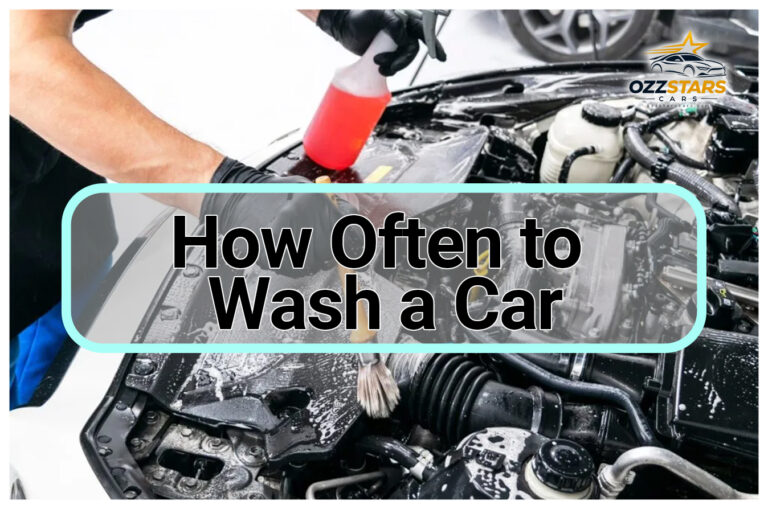
The tool that actually does this job is a spray bottle and a brush.
The method, in the order that keeps water out
1. Cold engine, and cold means cold. Not warm. A hot engine plus cold water is thermal shock on components that do not like it, and it also flashes cleaner off before it can work.
2. Cover before you clean, not after. Plastic bags and tape over the connectors, the fuse box, the alternator and the intake. This is the step everyone skips and it is the step that does the work. It takes ten minutes and it is what separates this from the videos.
3. Dry brush first. Get the loose debris, leaves and grit out before any liquid is involved. Most of what makes a bay look bad is dry, and removing it dry means you need much less of everything that follows.
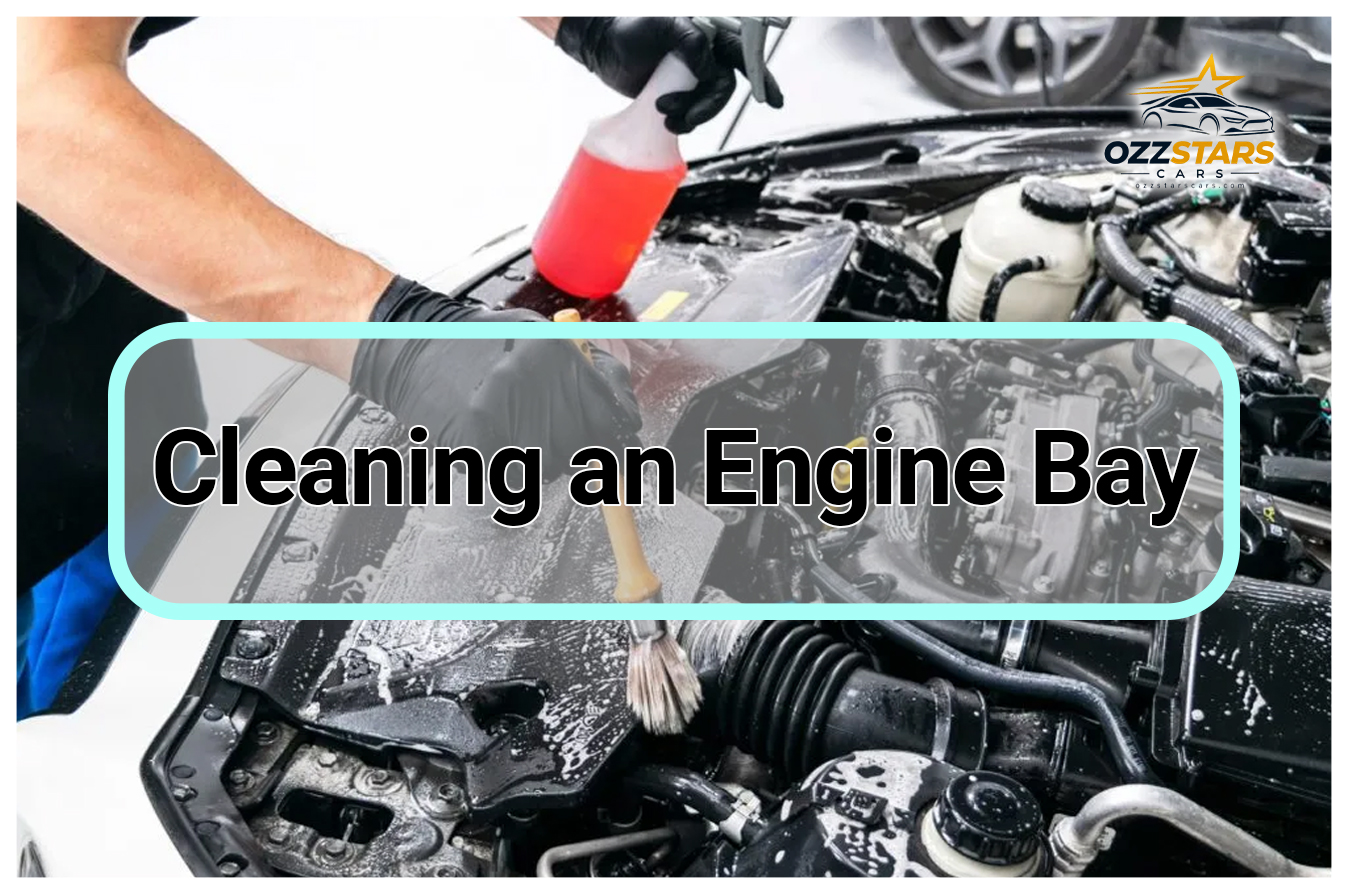
4. Apply cleaner from a spray bottle, not a hose. You are wetting surfaces deliberately, one at a time, and you can see exactly where it goes.
5. Agitate with brushes. Soft for painted and plastic surfaces, stiffer for the crusty bits on metal.
6. Rinse with as little water as will do it. A damp cloth wipe-down beats a rinse on most bays. If you must rinse, a gentle flow from a hose end, aimed downward, never at a component.
7. Dry properly, and open things up to dry. Compressed air if you have it, microfiber if you do not, and leave the hood open in the sun. Water that is still there in an hour is water that will be there tomorrow.
8. Remove the coverings and check the connectors are dry before you start it.
The dressing question
Most engine-bay results in photographs come from a dressing sprayed on plastic at the end, not from cleaning.
Two cautions, both mechanical rather than chemical. A dressing that migrates onto a belt or a pulley is a slipping belt. And a dressing on a surface that gets hot is a smell and sometimes a smoke, which is alarming and looks like a fault.
We name no product, and the honest position is that the dressing is optional and the covering step is not.
What we are not going to tell you
Which degreaser to use. Read the back of the bottle, not the front, and read your vehicle's manual before putting any chemical near anything under the hood.
A dwell time. That is on the product, for that product, and copying one across products is how paint and plastic get damaged.
That it is safe on a hybrid or an EV. High-voltage systems are outside this page's scope entirely.
That your car is like the car in the video. Bay layouts differ enormously, and where the connectors are on yours is a question your own manual answers and we cannot.
Where this sits in the wash
An engine bay is not part of a normal wash and it does not need doing on a normal schedule. If you are working through the exterior in order, the sequence that matters is covered in what order to wash a car, and the wheels question that people usually ask alongside it is answered in wheels first or wheels last.
FAQ
Can you pressure wash an engine bay?
It is the wrong tool. A concentrated jet drives water past seals designed for rain and road spray arriving at natural angles, and the resulting corrosion in connectors shows up as intermittent faults weeks later rather than as immediate damage.
What should you cover before cleaning an engine bay?
Electrical connectors and looms, the fuse and relay boxes, the alternator, the air intake, and any sealed electronic modules. Cover before cleaning, not after.
Does the engine need to be cold?
Yes, and cold rather than warm. Cold water on hot components is thermal shock, and a hot surface also flashes cleaner off before it can do anything.
Why did my car develop a fault after an engine bay clean?
The common mechanism is water trapped in an electrical connector corroding the pins over weeks, which raises resistance in a joint designed to have almost none. It presents as an intermittent fault rather than an immediate failure, which is why the connection is rarely made.
Is it safe on a hybrid or electric car?
This page does not cover it. High-voltage systems are outside the scope of a cleaning article, and the authorities are your vehicle's manual and a qualified technician.
This page names no product, no chemical, no pressure figure and no dwell time. It publishes no tire pressure, tread depth, torque value, wheel load rating or load index, which is a standing rule on this site. Where a step would bring water near the braking system, the airbag system, the fuel system or high-voltage components, the page stops and routes to the vehicle's own manual and a qualified technician rather than offering a technique.
The corrosion mechanism described above is general automotive electrical knowledge stated as such. No test was performed for this page and nothing here is presented as a test result.