How to Remove Baked-On Bugs From the Front of a Car
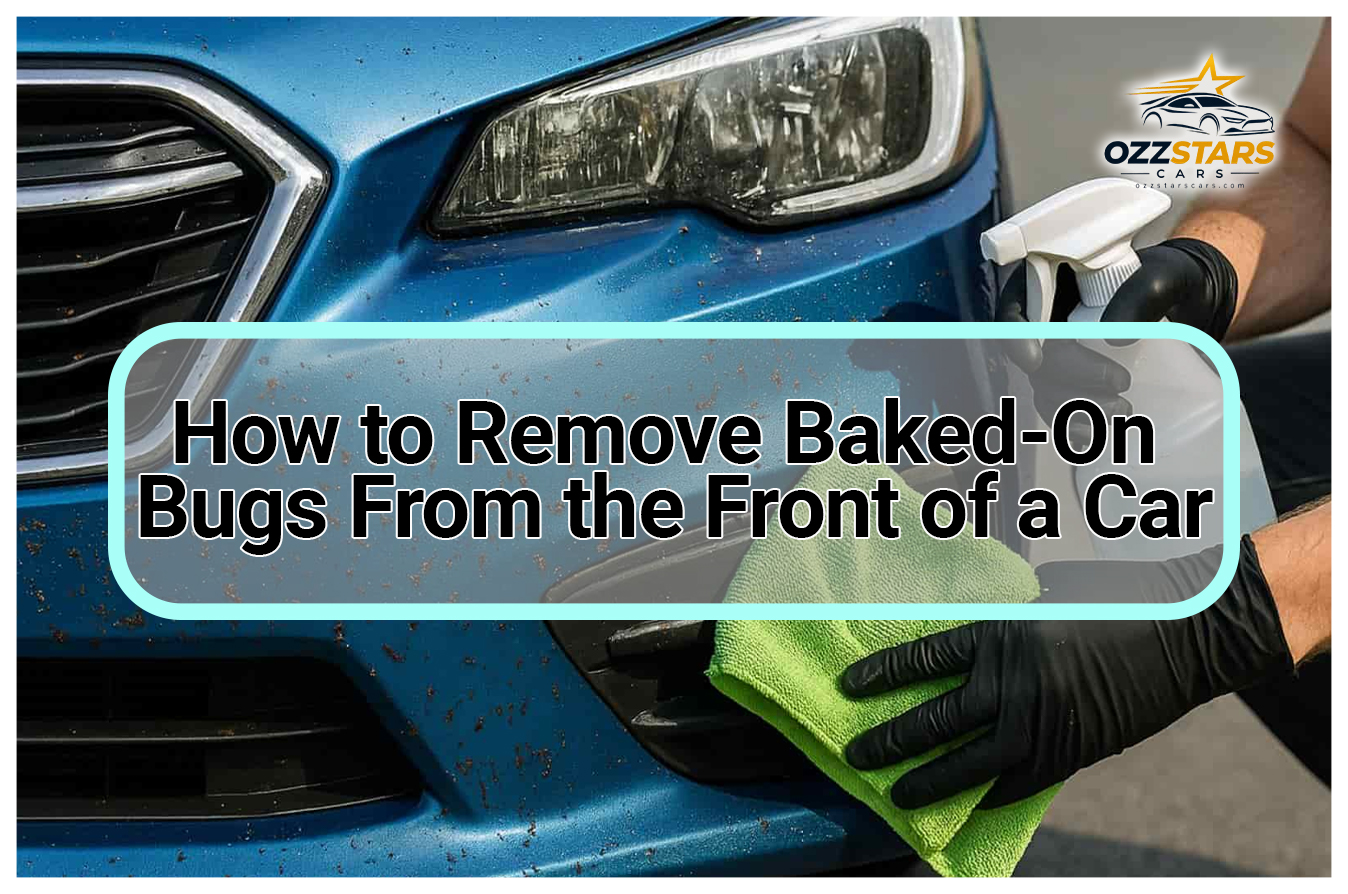
Removing baked-on bugs is a matter of time and chemistry, not scrubbing harder. Bug remains are acidic and etch into clear coat the longer they sit, especially in the heat, so the right approach is to soak the area with plain water or a mild solution until the remains soften, then wipe with minimal pressure, never scrub while dry. A bumper that has been baking in the sun for a week needs more soak time, not more force. Force is what turns a soft, lifted bug remain into a fresh scratch.
Why bugs damage paint the longer they sit
Bug bodies and internal fluids are acidic, and that acidity is what does the actual damage, not the impact of hitting the car. Left to sit and dry in the sun, that acidic residue etches into the clear coat over time, and heat speeds the reaction considerably. This is the reason detailing guidance consistently emphasizes speed: a bug remain wiped off within a day or two is a cosmetic nuisance, while one baked on for a week or more under direct sun has had far longer to react with the coating underneath it.
The practical consequence is that a soft-top bumper that catches the most bugs also tends to be the panel that shows the most etching over time, simply because it accumulates the most contact and, on many cars, gets the least attention between washes.
The mistake that causes more damage than the bugs did
Dry-scrubbing a baked-on bug remain is the single most common way this goes wrong. Once residue has dried and hardened, it bonds to the clear coat, and any dried particle caught between a rag and the paint under scrubbing pressure behaves the same way any grit does during a normal wash: it gets dragged across the surface and leaves a fine scratch behind. The mechanism is identical to the one behind ordinary swirl marks, explained fully here, just concentrated on one spot instead of spread across a panel. Scrubbing harder to compensate for a residue that has not softened yet only presses that particle deeper into the motion, not out of the way.
The order that actually works
- Soak first, always. Wet the area thoroughly with plain water, or lay a soaked microfiber towel directly over the worst spots and let it sit for several minutes. This gives water time to rehydrate and soften dried residue before anything touches it. Parking in shade or washing when the panel is cool helps here, since a hot panel flashes water dry faster than it can soak in.
- Let dwell time do the work. Several minutes is a reasonable starting point for genuinely baked-on residue, checked periodically rather than left indefinitely, and increased if the remains still feel firm rather than softened.
- Wipe, do not scrub, once softened. Use a clean, dedicated microfiber towel or a soft insect sponge, and let the towel's own weight do the work rather than pressing down. If a spot has not softened enough to lift with light pressure, it needs more soak time, not more force.
- Rinse the towel constantly. A towel that has already lifted several bug remains is carrying grit, and reusing it without rinsing reintroduces the exact dragging risk the soak step was meant to avoid.
- Fold in with the normal wash, using the pre-rinse habits already in place for the rest of the car, covered in Why You Rinse Before the Mitt Ever Touches the Paint.
For remains that will not soften with water alone
Some baked-on residue, especially older buildup, does not fully soften with a plain water soak. In that case, a dedicated insect or bug-remover product, applied and allowed to dwell per that product's own label instructions, is the reasonable next step rather than increasing scrubbing pressure. The principle does not change: apply, let the product's stated dwell time work, then wipe gently. No product should ever be pressed harder or left longer than its own instructions state, and a reader unsure whether a given product is safe on their specific paint or clear coat should check the manufacturer's own guidance rather than assume.
Windshields need a different tool, not a different urgency
The same soak-and-dwell principle applies to a bug-splattered windshield, but the tool changes. A microfiber towel is the right choice for painted panels, while a dedicated bug sponge or a clean, soft cloth is generally gentler on glass, since glass shows fine scratches differently than clear coat does but is not immune to them either. Wiper blades that have been used to try to clear dried bug residue off a windshield, rather than washing it off first, tend to wear unevenly afterward, since dried residue on the glass drags against the rubber edge the same way grit drags against paint.
Wax and sealant do not stop bugs, but they help
A layer of wax or sealant on the paint does not prevent bugs from etching if left long enough, since the acidic residue is reacting with whatever surface it sits on, coated or not. What a fresh layer of protection does is buy a little more time before that reaction reaches the clear coat itself, and it also makes the residue easier to lift during the soak step, since it is not bonding as tightly to a slick, protected surface as it does to bare or heavily oxidized paint. This is a reason to keep protection current, not a reason to skip prompt removal.
Preventing the problem instead of fighting it
The single best fix is frequency, not force: checking the front bumper, mirrors and windshield after any drive through bug-heavy conditions, rather than letting remains accumulate and bake for days or weeks between washes. A quick rinse and wipe the same day a car picks up bugs takes a fraction of the soak time a week-old remain needs, because the acidic reaction with the clear coat has had almost no time to progress.
What this does not fix
Soaking and gently wiping removes bug residue and prevents further etching from that spot, but it does not reverse etching that has already happened to the clear coat. A bumper with visible dulled or pitted spots where old bugs baked on for a long time before being addressed needs a correction step, not another wash, and no amount of gentle wiping on a future wash undoes damage that already set in.
FAQ
How long can bug splatter sit on a car before it causes damage?
There is no fixed safe window, since it depends on heat and sun exposure, but the acidic reaction begins accelerating with time and heat, so same-day or next-day removal meaningfully lowers the risk compared with letting it sit for a week.
Is it safe to scrape dried bugs off with a fingernail or a hard tool?
No. Any dry, hard scraping risks pressing grit or the hardened remain itself into the clear coat. Soak until it softens and lifts with light pressure instead, the same two-bucket discipline of never letting a loaded tool touch the paint again.
Will regular car wash soap remove baked-on bugs?
Often only partially, since a standard wash pass does not give the residue enough dwell time to soften. A dedicated soak, with plain water or a bug-remover product, before the normal wash gets better results.
Do bugs actually damage clear coat, or is that overstated?
It is a real mechanism, not overstated. Bug remains are acidic, and that acidity etches into clear coat over time, which is why speed and gentle removal both matter more than they might seem to for something as small as an insect.
Can I use the same microfiber towel for bug removal that I use for the rest of the wash?
A clean one, yes, but rinse it frequently. A towel loaded with lifted bug residue and grit reintroduces the dragging risk the soak step was meant to avoid if it is not rinsed clean between passes.