
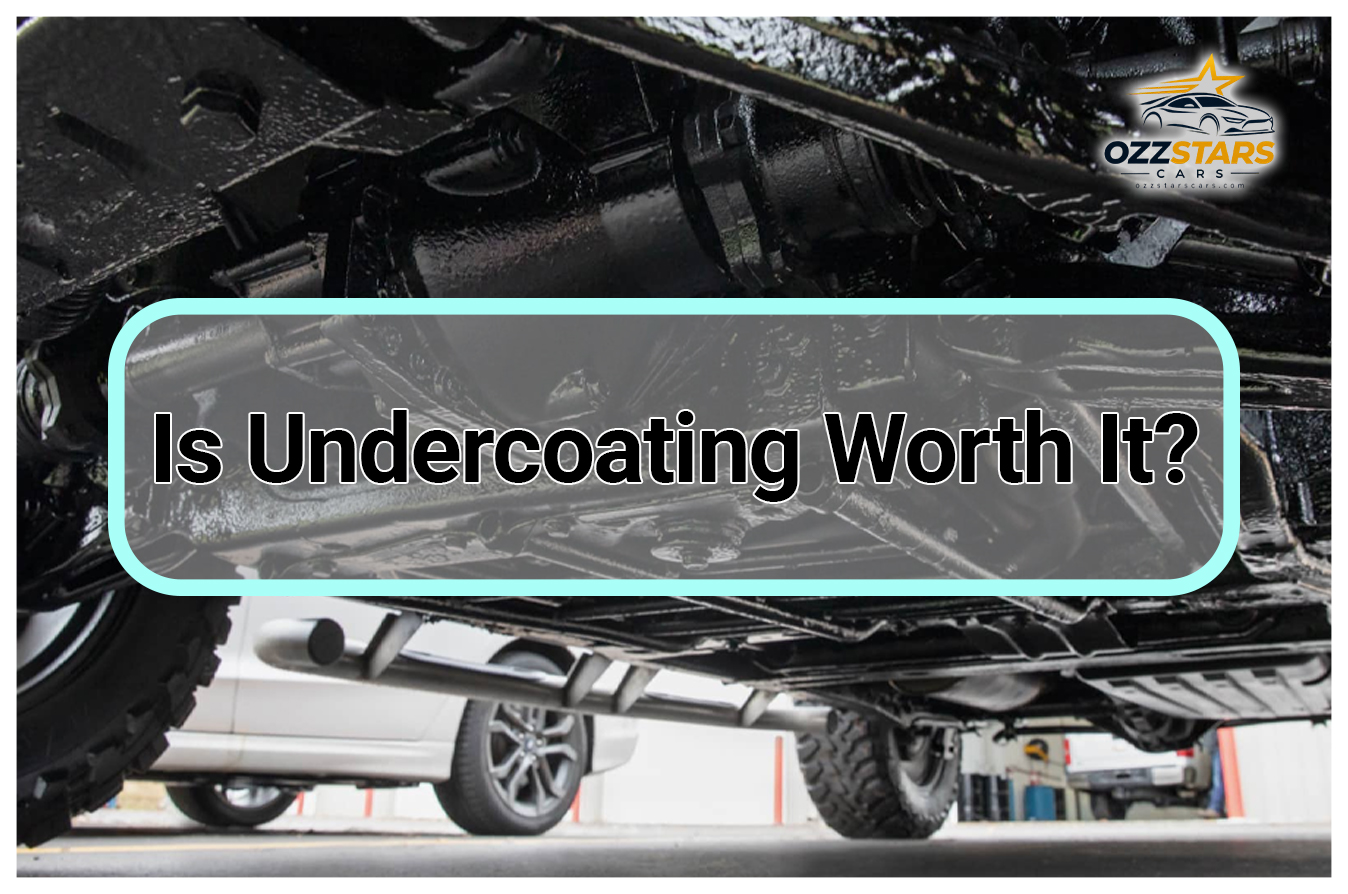
Is Undercoating Worth It? The Dealer Offer, Explained
Is undercoating worth it on a new car? For most buyers, the independent answer is no. Consumer Reports says cars today are built with corrosion protection, which makes a dealer-applied undercoating unnecessary, "though it is profitable for car dealerships." There are situations where extra rust protection can make sense, such as keeping a car for many years where roads are heavily salted. Even then, the factory protection still needs regular underbody washing, and any add-on should be judged on exactly what it is, where it goes and what the written terms say.
This guide explains what undercoating and rust-proofing are, what the carmakers themselves say, and the questions worth asking before you sign. It is general information, not advice on your particular purchase. Your car, climate and plans may change the answer.
What undercoating and rust-proofing actually are
The two words are often used as if they mean the same thing. They usually describe different products.
- Undercoating is a coating sprayed onto the underside of the car: the floor pan, wheel wells and parts of the frame. Some types dry to a firm, rubbery or tar-like layer. It is meant to shield the metal from moisture, salt and stone chips.
- Rust-proofing often refers to a treatment sprayed into hidden cavities such as door bottoms, rocker panels and frame rails, and sometimes onto the underbody too. Some types are oil or wax based and stay soft, so they creep into seams rather than forming a hard shell.
- Dealer packages may bundle one or both, sometimes alongside paint or fabric protection, under a brand name that does not make the product type obvious.
Because the label on the offer rarely tells you which of these you are buying, the first job is to find out.
What independent and official sources say
Consumer Reports. In a short answer titled "Does Your Car Need Undercoating?," dated August 12, 2018, which we read on September 27, 2026, Consumer Reports says: "Cars today are manufactured with corrosion protection, which makes this added treatment unnecessary, though it is profitable for car dealerships." It recommends skipping undercoating along with other add-ons such as VIN etching, fabric protection and extended warranties.
The Federal Trade Commission. The FTC's consumer page on car add-ons, which we also read on September 27, 2026, describes add-ons as "optional products or services, like rust proofing, fabric protection, gap insurance, or a service contract that cost you extra." It adds: "it's OK to say, 'no' or 'not right now'," and advises making sure the contract "only lists the add-ons you've agreed to, at the prices you were quoted."
The carmakers. Factory rust protection is real, but carmakers do not describe it as maintenance-free. Kia's owner's manual for the Syros, in its exterior care section read on September 27, 2026, warns that road salt and dust-control chemicals collecting on the underbody can cause "accelerated rusting" on "the fuel lines, frame, floor pan and exhaust system, even though they have been treated with rust protection." Your own car's manual may word this differently, so check it.
Put those together and a clear picture emerges. The factory has already protected the car. The biggest thing an owner can add is keeping salt and mud off the underside, which no one-time coating replaces.
Why a bad undercoating can make things worse
An undercoating only helps if it seals properly and stays sealed. Several auto publications warn that a hard coating which cracks or is applied unevenly can hold moisture and salt against the metal instead of keeping them out. A coating sprayed over dirt, or over existing rust, can also hide problems rather than stop them.
Carmakers also design drainage into the body. Kia's manual notes that "the lower edges of the doors, rocker panels, and frame members have drain holes that should not clog with dirt; trapped water in these areas can cause rusting." Any treatment that blocks those holes works against the factory design. If you are considering a treatment, ask how the installer keeps drain holes clear.
We have not tested any undercoating or rust-proofing product, and we are not in a position to rank them. The practical point is that the method and the installer matter as much as the product type.
When extra rust protection might make sense
There are situations where owners reasonably consider more protection than the factory provides:
- Heavy road salt. You live where roads are salted for much of the winter.
- Long ownership. You plan to keep the car well beyond its corrosion warranty.
- Coastal or industrial air. Salt air and pollution add to corrosion risk.
- Gravel roads or off-road use. Stones strip protective layers and expose metal.
- An older car. A used car no longer covered by a corrosion warranty is a different question from a brand-new one.
Even in these cases, extra treatment is an addition to washing, not a substitute for it. And whether it is worth the money for you depends on the price, the product and your plans, which only you can weigh.
Questions to ask before you agree to undercoating
If a dealer or shop offers undercoating or rust-proofing, these questions turn a vague package into something you can judge:
| Question | Why it matters |
|---|---|
| What type of product is it: hard undercoating, soft oil or wax based, or something else? | The type decides how it behaves over time and whether it needs reapplying. |
| Where exactly is it applied: underbody only, or inside cavities too? | Rust often starts in hidden seams and cavities, not just on the flat floor. |
| How are drain holes and sensors protected during application? | Blocked drains trap water; overspray on some parts can cause other problems. |
| Does it need reapplying, and how often? | Some treatments are designed as a repeat service, not a one-time job. |
| What does the written warranty cover, and what does it require from you? | Some warranties require inspections or reapplication to stay valid. |
| Does it affect the carmaker's own corrosion warranty? | Check your warranty booklet and ask the dealer to put the answer in writing. |
| Is it already applied to the car, and can the price be removed if you decline? | The FTC describes these as optional add-ons you can say no to. |
Ask for the answers in writing. If you cannot get clear answers, that is useful information in itself.
What to do instead of, or as well as, undercoating
Wash the underbody in salt season. Kia's manual recommends flushing the underbody and wheel openings with lukewarm or cold water monthly, after off-road driving and at the end of winter. It also warns that only dampening built-up mud, rather than washing it away, makes corrosion worse. Our guide on how often to wash your car compares what different authorities recommend.
Use high pressure carefully. The same manual says pressurized water and steam are effective at removing mud and corrosive material underneath, but tells owners: "Do not spray the camera, sensors or its surrounding area directly with a high pressure washer." Keep a sensible distance from trim and plastic or rubber parts too.
Keep drain holes clear. Check the bottoms of the doors and rocker panels for dirt blocking the drains.
Fix chips before they rust. Stone chips that reach bare metal are a common starting point for rust. Our guide to stone chips on the hood explains when to touch them up, seal them or leave them.
Keep the cabin dry. Kia's manual also notes that "moisture can collect under the floor mats and carpeting and cause corrosion," and suggests checking under the mats periodically.
Know your corrosion warranty. Read what your car's warranty booklet covers, for how long, and what it asks of you.
A note on paint protection packages
Undercoating is often sold alongside paint protection packages at the same desk. The same logic applies: find out what the product is, what it does and what the terms require. Our explainer on PPF vs ceramic coating covers what those two paint products are designed to do.
If you already have rust
This article is about prevention. If you can already see rust on the underbody, frame or sills, a coating is not a fix, and spraying over rust can hide how far it has gone. Have it looked at by a qualified mechanic or body shop, who can tell you whether it is cosmetic or something that needs repair. We cannot judge that from a description, and neither can a coating.
FAQ
Is undercoating necessary on a new car?
Consumer Reports says no for most buyers, because modern cars are built with corrosion protection. Carmakers still recommend washing the underbody regularly where roads are salted.
Can undercoating cause rust?
A coating that cracks, is applied over dirt, or blocks drain holes can trap moisture against the metal. That is why the product type and the quality of the application matter.
Can I say no to undercoating at the dealership?
The FTC describes rust-proofing as an optional add-on and says it is fine to say "no" or "not right now." Check that your contract lists only the add-ons you agreed to.
Does undercoating void the factory warranty?
It depends on the carmaker and the terms. Read your warranty booklet and ask the dealer to confirm in writing how any aftermarket treatment affects the corrosion warranty.
What is the best way to prevent rust underneath a car?
Regular underbody washing during salt season, clear drain holes, prompt chip repair and a dry cabin floor. Those habits come straight from carmaker guidance and apply whether or not the car has an extra coating.
The honest version: the factory already protected the car, and the washing still matters most. Any extra treatment is a choice to make with clear answers in hand, not at the end of a long day at the dealership.