Microfiber Towels for Car Paint: Weave, GSM and Retiring One
GSM and weave tell you the job a towel is built for. What tells you it can still do that job safely is wear, and almost nobody covers that part.


GSM and weave tell you the job a towel is built for. What tells you it can still do that job safely is wear, and almost nobody covers that part.
Air, blot or drag: how each drying method actually works, ranked by paint contact, and which combination fits your situation.
Drying causes more swirl marks than washing does. The mechanism behind blotting versus dragging, and the order that keeps a towel off dirty paint.
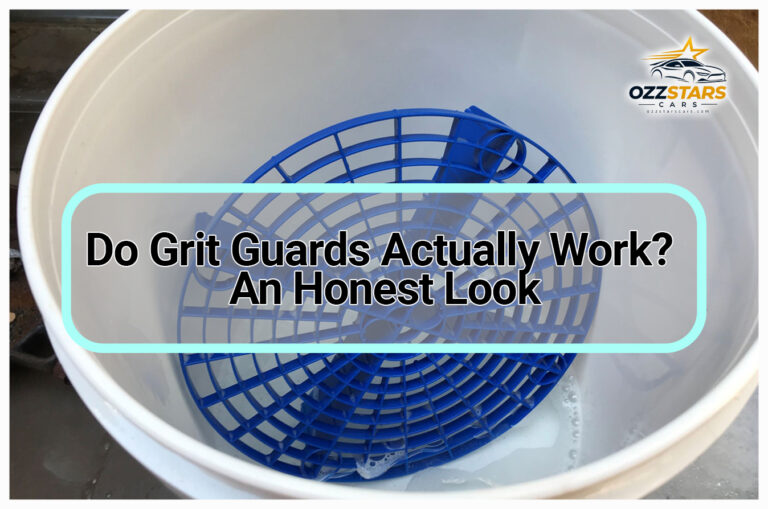
Grit guards help a mitt release grit at the bucket bottom. They do not clean dirty water or save a mitt dropped on the driveway.
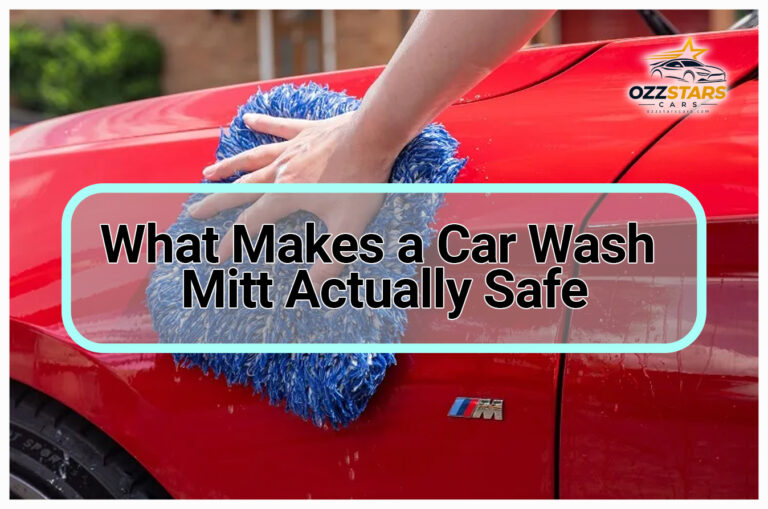
The best wash mitt is the one that releases grit instead of holding it against the paint. Here is how pile depth, material and rinse behavior decide that.
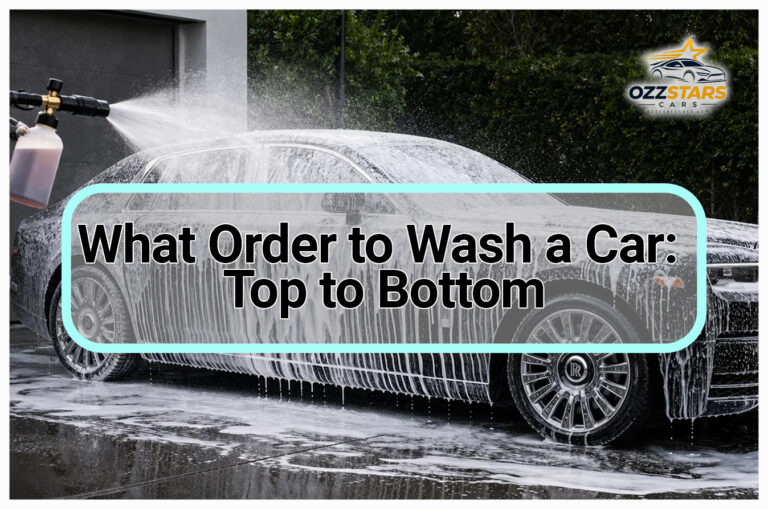
Wash top to bottom and save the bottom panels for last. Here is why the order matters and the panel-by-panel sequence that keeps grime from spreading.
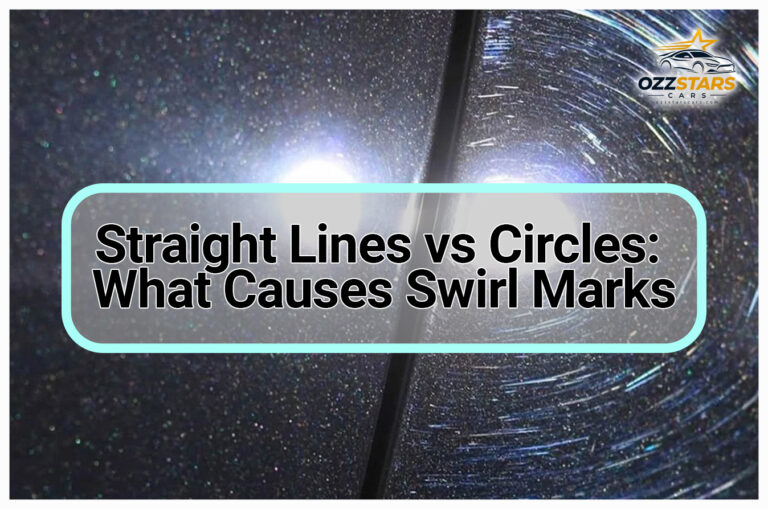
Circular scrubbing grinds grit into the same spot repeatedly. Here is why straight-line motion matters, and how much it actually changes the risk.
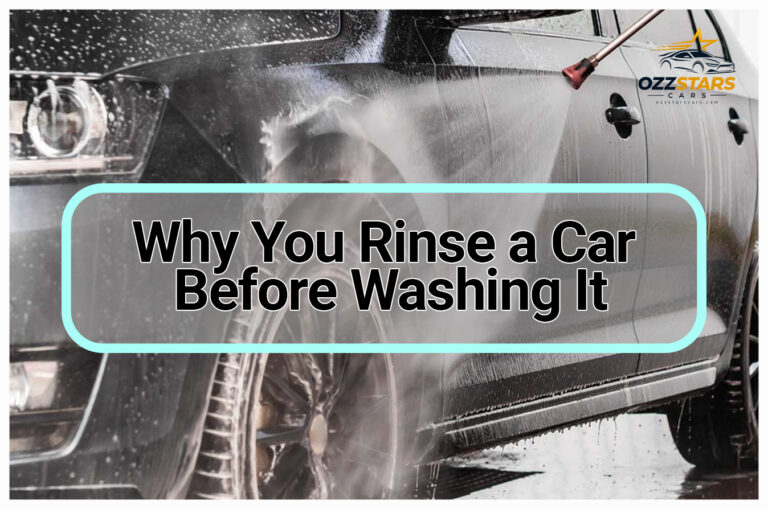
The pre-rinse removes loose grit before a mitt ever touches the paint. Here is what it actually accomplishes, and when it can safely be skipped.
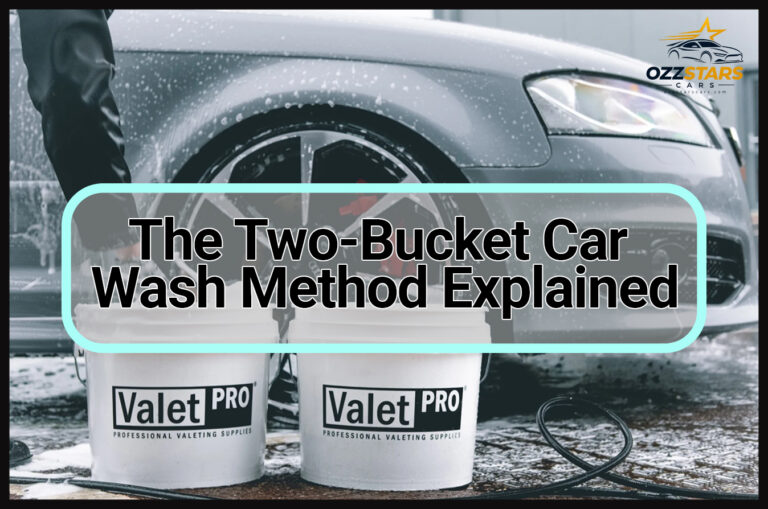
The two-bucket method keeps a wash mitt from reloading itself with grit. Here is exactly how it works, what a grit guard adds, and when it matters most.
Swirl marks come from grit dragged across paint, not the wash itself. The exact habits that keep grit off the mitt and off the clear coat.