Iron Fallout Removers: What the Purple Bleed Means
It ran purple down your paint and you want to know whether that is dirt leaving or damage happening.
It is neither. It is a color change, and understanding what changes color and what does not is the whole article.
What the purple actually is
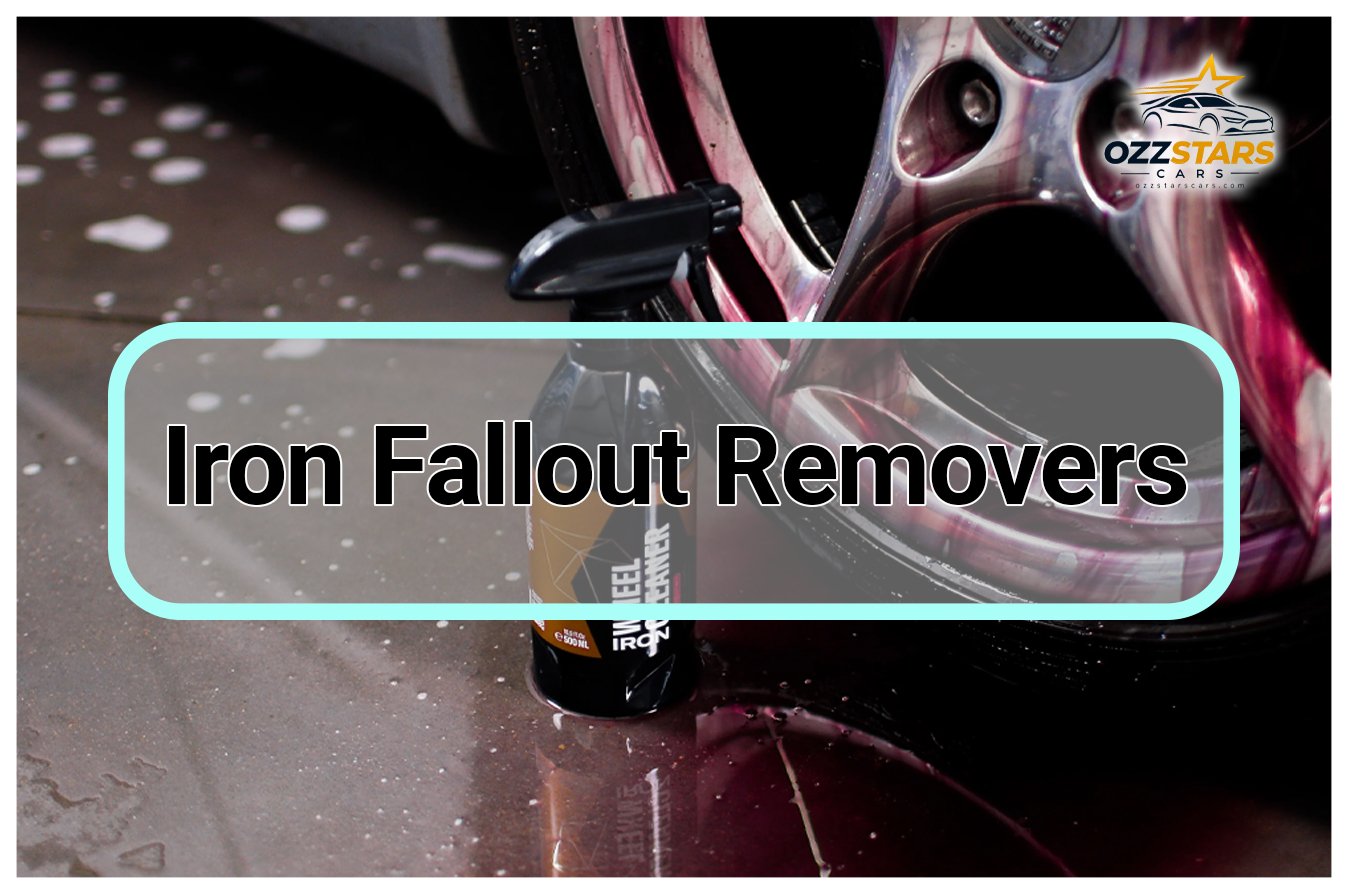
These products contain a compound that reacts with dissolved iron and produces a strongly colored result. The color is the reaction product, not the iron itself and not anything from your paint.
So the purple is evidence that iron was present and is now dissolved. That is genuinely useful, because it makes an invisible contamination visible, and it is the reason these products caught on.
What the purple is not:
It is not blood, and nothing is bleeding. The comparison is unfortunate and it worries people.
It is not paint coming off. Your clear coat does not dissolve into a purple liquid.
It is not a measure of product quality. More purple means more iron was there or more dye was in the bottle. A car that runs pale purple is a car with less iron on it, which is the outcome you want.
It is not a measure of how much iron is left. The reaction happens where the product reaches. It says nothing about particles it did not touch.
Where the iron came from
Mostly brake dust, and mostly your own car's.
Braking sheds fine metallic particles. They are hot when they leave, they land on nearby surfaces including your own wheels and lower panels, and they embed. That is why the wheels and the lower rear quarters are always the worst areas, and it is the physical basis for the ordering question in wheels first or wheels last.
The other sources are environmental: railways, industry, and other traffic. A car parked near a railway line will run purple on the roof, which surprises people because there is no obvious source above them.
This page stops at where the dust comes from. Anything about brake components, wear, condition or servicing is not a cleaning subject, and the authorities for it are your vehicle's manual and a qualified technician.
Why iron removal matters more than it looks
An embedded iron particle rusts in place. Rust expands, so a particle that started as a speck on the surface works its way further in over time, and on light-colored paint it announces itself as an orange dot.
That is the actual argument for doing this, and it is a better one than "the paint will feel smoother". You are removing something that gets worse.
How it fits the sequence
Chemical decontamination comes before mechanical decontamination. Every particle dissolved is a particle not dragged across your paint by clay, which is a real reduction in risk rather than a preference. The reason dragging matters at all is the same mechanism set out in how swirl marks are created: a hard particle, a soft surface, and pressure between them.
And it comes after the wash, always. Applying anything to a dirty car is applying it to dirt.
The rules that keep this from going wrong
Cool paint, in shade. A product that dries on the surface before you rinse it is a product you now have to remove by other means, and drying on hot paint is the main way these leave marks.
Do not let it dry. This is the rule. If it is drying, you have applied it to too large an area, or in the sun, or both.
Rinse thoroughly, everywhere it went. Including into panel gaps, behind trim, around badges and into wheel arches, where a residue can sit and sit.
Ventilation. These products have a distinctive and strong smell. Outdoors is where this belongs.
Skin and eyes. Gloves and safety glasses. This is a chemical, not a soap, and the manufacturer's own safety instructions on the label are the authority rather than anything on this page.
Check what the label says about your wheels before using it on them. Wheel finishes vary enormously and the finish decides what is safe, not the product's marketing. That is a whole subject of its own and it has its own row on this site.
What we will not publish
No product name and no price. We have not tested any and this site does not carry product picks.
No dwell time. It is on the bottle, for that bottle, and copying a dwell time across products is how paint and trim get damaged.
No dilution ratio. Same reason, and the cap is not a measuring device.
No claim that one product is safer than another on any surface. The label and the surface decide that.
No chemistry lecture. The mechanism above is what you need; a deeper explanation would be us reciting something rather than telling you something we established.
When you do not need one
When the bag test says the paint is smooth. No embedded contamination means nothing to dissolve.
On a car that is washed regularly and garaged. Iron accumulates with exposure, and the exposure is the variable.
More often than the paint has been contaminated. Once or twice a year is a realistic ceiling for most cars and many need it less. There is no schedule worth publishing because the exposure differs enormously, which is the same reasoning that applies to how often a car genuinely needs washing.
What it does not do
It does not remove tar. Different contaminant, different remover.
It does not remove sap. Same.
It does not remove scratches, swirls or dullness. Those are damage to the paint rather than deposits on it.
It does not protect anything. Like every decontamination step, it strips what protection was there. The car needs sealing, waxing or coating afterwards.
FAQ
What does it mean when iron remover turns purple?
A compound in the product reacts with dissolved iron and produces a strongly colored result. The purple is the reaction product, showing that iron was present and has been dissolved. It is not blood, not paint, and not damage.
Is more purple better?
No. More purple means there was more iron on the car, or more dye in the bottle. A car that runs pale is a cleaner car.
Is iron remover safe on car paint?
Used per its own label on cool paint in shade, rinsed thoroughly and never allowed to dry, it is a standard decontamination step. The label's safety instructions are the authority, not this page, and it is a chemical rather than a soap.
Can I use iron remover on my wheels?
Check the label against your wheel's finish first. The finish is what decides whether a cleaner is safe, not the product's marketing, and finishes vary enormously.
Do I need to wax after using iron remover?
Yes. Every decontamination step strips what protection was on the paint, so a car left afterwards is less protected than before you started.
This page names no product, no price, no dwell time and no dilution ratio. It publishes no tire pressure, tread depth, torque value, wheel load rating or load index, which is a standing rule on this site. Anything concerning brake components, their wear or their servicing is outside this page's scope and routes to the vehicle's manual and a qualified technician.
The color-change and rust-expansion mechanisms described are general detailing and materials knowledge stated as such. No product was tested for this page and nothing here is presented as a test result.