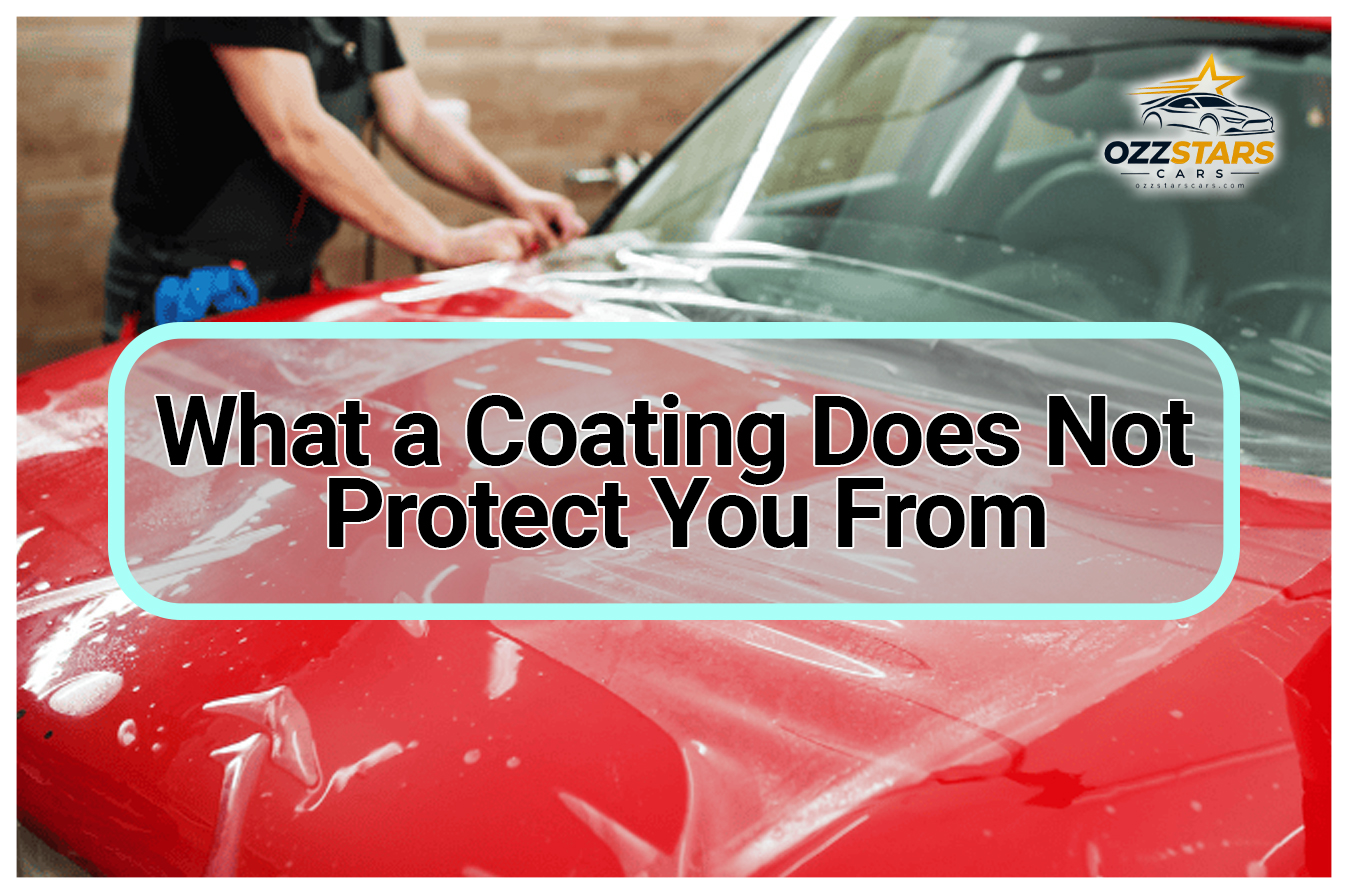
What a Coating Does Not Protect You From
You paid for this. There is still a mark. So what exactly did you buy?
A chemical barrier, not armor. Once that sentence lands, every disappointment on this query makes sense, and so does every claim that led to it.
What a coating actually does
It is a very thin layer that bonds to the paint surface and changes its chemistry.
What that buys you is real:
Contaminants have a harder time bonding to it. Bird mess, sap, road film and fallout sit on the coating rather than embedding in the paint, so they come off more easily and do less while they sit there.
It is easier to clean. This is the property with the most day-to-day value and the one people underrate, because it is boring compared with beading water.
It is chemically more resistant than bare clear coat to some of what lands on a car.
It changes how water behaves, which is the property everybody notices and the one with the least practical value.
Every one of those is about chemistry. None of them is about hardness.
What it does not do
It does not stop swirl marks
This is the big one and it is the reason most people arrive at this question.
Swirls come from dragging something across the paint with grit between it and the surface. That is a mechanical event, and a coating that is a fraction of the thickness of the paint under it does not stop a hard particle being dragged across it under pressure. What it does is get marred itself.
A coated car washed badly still gets swirled, and the swirls are frequently in the coating rather than in the paint, which is a genuine benefit and is not what the owner was expecting.
The thing that stops swirls is the wash, and it is free. That is how swirl marks actually happen, and the drying stage, which does more damage than most people credit, is in how to dry a car without scratching it.
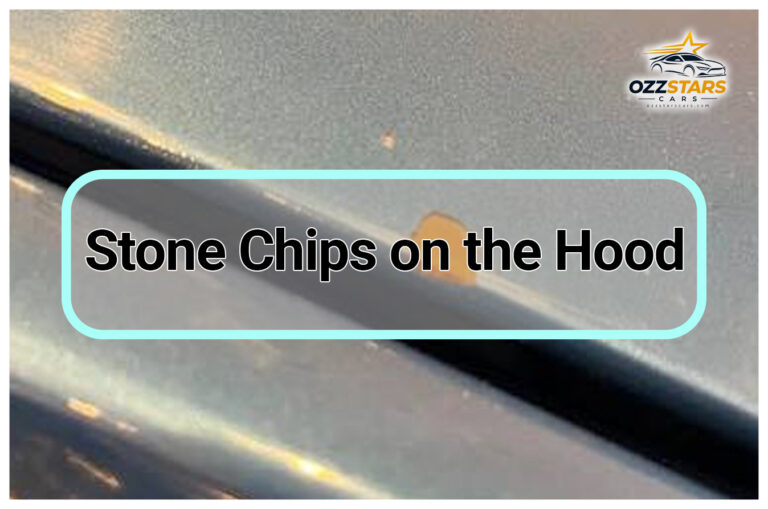
It does not stop stone chips
A stone at road speed carries far more energy than a thin chemical layer can absorb. The product designed for that is a physical film, which is a different thing with a different price and a different application, and it has its own article on this site.
It does not stop deeper scratches
A key, a branch, a bag zip, a wall. These go through the coating and into the paint, and the coating's contribution is approximately nothing.
It does not make a car immune to etching
Bird mess and hard-water spots can still etch a coated car. The coating slows it and buys you time, which is worth having. It does not remove the need to deal with what lands on the paint reasonably quickly.
It does not fix what was underneath
A coating over swirled paint is swirled paint with a coating on it, sealed in and now harder to correct without removing the coating first. This is the single most expensive mistake in this category, and it is why preparation costs more than application.
It does not remove the need to wash the car
Less often, perhaps, and more easily. Not never.
The hardness number, and why it is not on this page
You have probably seen a hardness rating quoted for these products.
We are not going to reproduce it, for two reasons that are worth stating rather than just omitting.
It is measured on a scale designed for a different purpose, on a prepared sample rather than on a car, and what it measures is not the same as resistance to a particle dragged across a surface under pressure.
And it is a seller's figure. In the SERP checks recorded when this site's topical map was built, dated 2026-08-22 and held in this site's evidence file, the pages ranking on paint protection queries were coating installers, detail shops and chemical brands, and on four of the twelve queries checked every single page-one result was one of those three. There is no independent measurement in this category to check any published figure against.
The realistic case for a coating
It is a maintenance product, not a protection product, and it is worth having on that basis.
If a coating means you wash the car less often, that it takes less time, that bird mess comes off with less effort, and that contamination does not embed as fast, that is a real benefit that repeats every week for as long as it lasts.
What it is not is a reason to be less careful, and the pitch that leads people to be less careful is the reason this page exists.
The order that actually protects paint, cheapest first
1. Change how you wash and dry. Free, and it addresses the mechanism that causes the damage people are trying to buy their way out of.
2. Deal with what lands on the paint promptly. Bird mess and sap removed quickly do far less than the same thing left for a week.
3. Keep something on the paint. Wax, sealant or coating, any of them, and reapplied. Bare clear coat is the worst state.
4. Consider a physical film for the impact zones, if stone chips are the actual concern, which is a different product for a different mechanism.
5. Correct only when needed, because that spends clear coat and clear coat is finite.
Notice that the coating is step three, after two free steps. That ordering is the honest one and it is not one an installer's page can lead with.
FAQ
Does ceramic coating prevent scratches?
No. It is a thin chemical layer that changes the surface's chemistry, not a physical barrier against a hard object dragged under pressure. Swirls, deeper scratches and stone chips all still happen.
Why does my coated car have swirl marks?
Because swirls are a mechanical event caused by grit between a wash medium and the paint, and the coating does not prevent that. Often the marring is in the coating rather than the paint, which is a benefit, and it looks identical from the driver's seat.
Does a coating stop stone chips?
No. A stone at road speed carries far more energy than a thin chemical layer can absorb. The product for that is a physical film.
Will a coating stop bird droppings etching my paint?
It slows it and buys time. It does not remove the need to deal with what lands on the paint reasonably promptly.
Is it worth coating a car that already has swirls?
Not without correcting first. A coating over swirled paint seals the swirls in and makes them harder to address later, and preparation is the expensive part for exactly that reason.
Sources: the SERP composition described above is from this site's own recorded topical-map evidence, dated 2026-08-22 and held in this site's archive, including the finding that on four of twelve checked queries every page-one result was a chemical brand, a coating installer or a detail shop. It is first-party research by this site, not a claim about any named business.
This page names no product, no price, and quotes no hardness rating, thickness figure or durability figure. It publishes no tire pressure, tread depth, torque value, wheel load rating or load index, which is a standing rule on this site.
No coating has been tested for this page and nothing here is presented as a test result. The mechanisms described are general coatings and detailing knowledge stated as such.