How to Protect Car Paint Parked Outside, Threat by Threat
Here is how to protect car paint parked outside: remove bird droppings, sap and other deposits quickly, wash the car regularly, keep a layer of wax, sealant or coating on the paint and renew it when water stops beading, and choose where you park with care. Those four habits cover nearly everything. What changes from car to car is the order of priority, because the threats to an outdoor car work on very different clocks. Some damage paint in hours. Others take years. Knowing which is which tells you where your effort pays off.
No garage and no carport is a common situation, not a disaster. The rest of this guide takes each threat in turn, from fastest to slowest.
The threats to an outdoor car, sorted by speed
Most advice on this topic is a list of products. We think it helps more to start with what is actually happening to the paint, and how fast.
| Threat | How fast it can harm paint | What stops it |
|---|---|---|
| Bird droppings | Hours, faster in heat | Prompt, gentle removal |
| Tree sap, insects, industrial fallout | Days if left, sooner in sun | Prompt removal, protection layer |
| Hard water and sprinkler spots | Days to weeks | Drying, parking choice |
| Acid rain residue and road film | Weeks to months | Regular washing |
| Sun and UV | Months to years | Protection, shade, covers |
| Wind-blown grit and scratches | Every time it is rubbed wrong | Careful washing, no dry wiping |
Those speeds are our general framing to help you prioritize, not measured figures. The only carmaker timeline we quote below is the one for bird droppings, and it comes straight from the manual.
Fast threats: droppings, sap and fallout
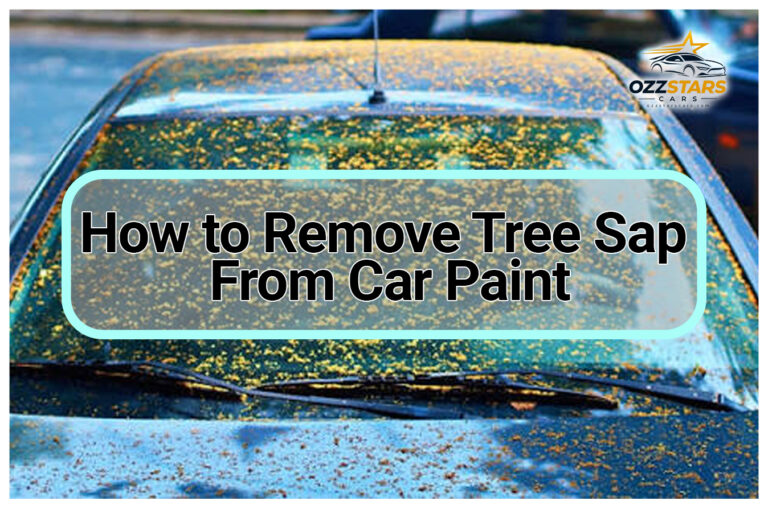
Kia's EV6 owner's manual, in its exterior care section read on September 27, 2026, is unusually direct about this. It says "bird droppings are highly corrosive and may damage painted surfaces in just a few hours," and that "insects, tar, tree sap, bird droppings, industrial pollution and similar deposits can damage your vehicle's finish if not removed immediately."
For a car that lives outside, this is the part of paint care that matters most day to day. A garage car collects these deposits only when it is driven. An outdoor car collects them around the clock, including overnight and all weekend.
What to do:
- Look at the car when you walk past it. A quick check each morning catches most droppings while they are still fresh.
- Soften, then lift. Soak a deposit with water or a quick detailer for a minute, then lift it off with a soft microfiber rather than scrubbing. Dry scrubbing drags grit across the paint.
- Keep a small kit in the car: a spray bottle of a quick detailer or plain water and a couple of clean microfiber towels.
- Use a product labeled for the job for hardened sap, tar or insects, and follow its label.
Medium threats: water spots, rain and road film
Water spots. When sprinkler water, drips or rain dry on the paint, they leave minerals behind in small rings. On an outdoor car that sits in the same spot every day, the same drip can land on the same panel repeatedly. Move the car out of sprinkler reach, away from gutter edges and away from air conditioner drips if you can.
Acid rain and fallout. Rain carries whatever it has picked up from the air. The EPA's page on the effects of acid rain, read on September 27, 2026, says the nitric and sulfuric acid in acid rain and dry acidic particles can land on buildings and other manmade structures and "cause paint and stone to deteriorate more quickly." A car is one of those structures. When rain evaporates on the panels, whatever it carried stays behind and concentrates.
Road film. Traffic grime, brake dust and, in winter, road salt build up on the paint. None of it is urgent the day it lands, but left for weeks it dulls the finish and holds moisture against it.
The answer to all three is the same: wash the car regularly and dry it properly. Kia's manual says to wash the car "thoroughly and frequently at least once a month with lukewarm or cold water." That is a minimum, not a target. Authorities differ on how often is right, and our look at how often to wash your car sets their answers side by side. An outdoor car near trees, the coast or salted roads sits toward the more frequent end.
Slow threats: sun and UV
Sun damage is the one people notice last and worry about most. Ultraviolet light and heat slowly break down the clear coat and the protection on top of it. The horizontal panels, the roof, hood and trunk, take the most direct sun, which is why they usually go dull or chalky before the doors do.
This damage is slow, which is both the good news and the bad news. Good, because a protected, regularly washed car can look fine for many years outdoors. Bad, because by the time the clear coat looks chalky, you are no longer protecting paint; you are deciding how to repair it. Our guide on how to fix oxidized car paint covers what can and cannot be brought back.
One detail from the Kia manual is worth knowing if you park in town. It warns that if you park near a stainless signboard or a building with a lot of glass, the plastic exterior trim, such as bumpers, spoilers, lamps and mirrors, "may be damaged by reflected sunlight from the external structure," and suggests a vehicle cover in that situation. Reflected light can concentrate heat on one side of a car. If one corner of your car faces a mirrored building every afternoon, that is worth moving for.
How to protect car paint parked outside, habit by habit
1. Remove deposits promptly
This comes first because it deals with the fastest threat. No protection product makes bird droppings harmless; a good layer only buys you time and makes removal easier.
2. Wash regularly, and wash gently
Regular washing removes everything in the medium category before it has time to do harm. Wash in the shade on a cool car, rinse first, use a proper car soap and a clean mitt, and dry the car rather than letting it air dry.
3. Keep a layer of protection on the paint
Wax, sealant and ceramic coating all put a sacrificial layer between the weather and your clear coat. They differ in how long they last and how much work they take. Our comparison of wax, sealant and ceramic coating explains what each really is.
Whatever you choose, Kia's manual gives a simple rule for when to renew it: "Wax the vehicle when water will no longer bead on the paint." It also says to "always wash and dry the vehicle before waxing." That beading check works for most protection types and is more useful than a fixed calendar, because an outdoor car wears its protection faster than a garaged one. If you are weighing a coating, our guide to how long paint protection lasts on a car you actually drive sets realistic expectations.
4. Choose your parking spot deliberately
Where you park decides which threats you get:
- Under trees: shade from sun, but sap, pollen, leaves and bird droppings. Often a poor trade for paint.
- Near sprinklers, gutters or drips: water spots.
- Facing a reflective building: concentrated sunlight on one side.
- Open, away from trees: full sun, but fewer deposits. For many cars this is the better trade, as long as the protection layer is kept up.
If you have a choice between spots, pick the one that removes your worst threat, not the one that simply looks sheltered.
5. Consider a cover, with care
A cover blocks sun and deposits. It can also scuff paint if it is put on a dirty car, flaps in wind, or traps moisture underneath. If you use one, put it only on a clean, dry car, make sure it fits snugly, and take it off to let the car dry out after rain. A cover is a tool for the right situation, not a default.
6. Protect trim and rubber too
Unpainted plastic trim and rubber seals age in the sun alongside the paint. The Kia manual's reflected-sunlight warning is specifically about plastic trim. Clean these parts as you wash and use products whose labels approve them.
What protection does not do
Be clear about the limits, so you do not rely on a product for a job it cannot do.
- No coating makes paint immune to droppings. It slows etching and makes removal easier; it does not remove the need to act.
- Protection does not stop scratches from dirty towels, dry wiping or automatic brushes.
- Protection wears. On an outdoor car, check the beading more often.
- Protection cannot undo existing damage. Fading, oxidation and etching need correction first, then protection.
A realistic routine for an outdoor car
- Daily or whenever you pass: glance at the paint and remove fresh droppings or sap.
- Regularly: a gentle wash and a thorough dry, more often near trees, the coast or salted roads.
- When water stops beading: clean the paint and renew the protection.
- Seasonally: check trim, rubber and horizontal panels for fading, and deal with small problems before they spread.
As always with car care chemicals, follow each product's label, work in ventilated areas, and never mix products.
FAQ
Is it bad to park a car outside all the time?
It is not bad, but it asks more of your routine. An outdoor car collects deposits and sun around the clock, so prompt cleaning and a maintained protection layer matter more than they would in a garage.
What is the fastest thing that damages car paint outside?
Bird droppings. Kia's owner's manual says they "may damage painted surfaces in just a few hours," so remove them as soon as you see them.
Does wax protect car paint from the sun?
A wax, sealant or coating adds a sacrificial layer that takes the weather first. It helps, but it wears, so renew it when water stops beading.
Is parking under a tree good for car paint?
Usually not. The shade helps with sun, but sap, pollen and bird droppings often do more harm, and faster.
Should I use a car cover if I park outside?
It can help, especially in harsh sun or near reflective buildings, but only on a clean, dry car and with a snug fit. A dirty or flapping cover can scuff paint.
Deal with the fast threats fast, keep the slow ones at bay with a routine, and park with your worst threat in mind. That is most of the job.