How to Get Stains Out of Cloth Car Seats (and When to Stop)
To get a stain out of a cloth car seat, vacuum it, then blot with a clean cloth dampened with cool water or a fabric-safe upholstery cleaner, working from the outside in. Use as little liquid as possible, then blot dry. Fresh stains usually lift. Stains that have been baked in by cabin heat, or left for weeks, may only lighten, and scrubbing harder rarely changes that.
This page is for cloth upholstery specifically: the woven or knitted fabric most non-leather car seats use, stretched over a foam cushion. Leather, vinyl and suede-like microfiber need different handling.
Why cloth car seats are harder than a sofa
The foam underneath soaks up liquid. Anything you pour onto a cloth seat goes into the cushion, and what goes into the cushion comes back up as it dries.
You cannot take the cover off. On most cars the seat fabric is fixed to the frame, so there is no putting it in a washing machine.
The cabin heats up. A parked car in the sun gets hot, and heat is one of the main things that sets a stain. A spill you meant to deal with at the weekend has had several heat cycles by then.
So the job is controlled, low-moisture cleaning. Most failed stain removal comes from too much liquid, not too little effort.
Fresh or set: the first question
A fresh stain is still sitting mostly in and on the fibers. It lifts with blotting and a mild cleaner because nothing has bonded yet.
A set stain has changed. Signs that a stain has set:
- It has already survived one or more attempts at cleaning.
- It has a sharp, defined edge rather than a soft one.
- It has turned yellow or brown over time.
- The car has been parked in the sun since the spill.
- The fabric feels stiff or crusty where the stain is.
A set stain is not hopeless, but it changes the goal. The realistic aim is to lighten it without damaging the fabric or creating a bigger mark around it. That is a different job from making it disappear.
Common stains, what they are, and what they need
| Stain | What it is made of | What sets it | First move |
|---|---|---|---|
| Coffee or tea | Tannins, often with milk and sugar | Time and heat | Blot, cool water, mild upholstery cleaner |
| Soda and juice | Sugar and dyes | Drying leaves a sticky residue that attracts dirt | Cool water to dissolve the sugar, then blot dry |
| Milk and food with protein | Proteins | Hot water and heat can set them | Cool water only, then a mild cleaner |
| Grease and food oil | Oils | Rubbing spreads them | Blot, then a cleaner made to lift oil from fabric |
| Mud | Soil and grit | Wetting it before it dries | Let it dry, brush and vacuum, then treat what is left |
| Dye transfer from clothing | Dye from jeans or bags | Friction and heat | Test a fabric-safe cleaner on a hidden area first |
Biological spills such as vomit are their own job. They need gloves, prompt removal of the solid material, and odor treatment, and are covered separately.
How to get stains out of cloth car seats, step by step
1. Remove what you can dry. Scrape off any solid material with a blunt edge, let mud dry fully, then vacuum the area. Adding liquid to loose debris turns it into a paste that goes deeper.
2. Test on a hidden area. Choose a spot on the side of the seat base or at the back, where a mark will not show. Apply the cleaner you plan to use, wait, and blot. Look for color coming off on the cloth or a change in the fabric.
3. Dampen the towel, not the seat. Spray or pour the cleaner onto a clean, light-colored microfiber towel. Spraying straight onto the seat puts far more liquid into the foam than you need. Towels with a tight, soft weave work best for this; how microfiber weave and weight affect a towel is covered on this site for paint, and the same points apply here.
4. Work from the outside in. Start at the edge of the stain and move toward the middle. Working from the middle outward pushes the stain into clean fabric.
5. Blot, do not scrub. Press, lift, move to a clean part of the towel, repeat. Hard scrubbing can fuzz or pill cloth upholstery and spread the stain.
6. Give it time. Many cleaners need a short dwell time to loosen a stain. Let the product sit for the time the label gives before you blot. The same logic, letting the product soften the mess rather than using force, is behind removing baked-on bugs from a car's front end.
7. Rinse lightly. Once the stain lifts, blot the area with a towel dampened with plain water to take out cleaner residue. Residue left in the fabric attracts dirt and can leave its own mark.
8. Blot dry and ventilate. Press a dry towel firmly onto the area to pull out as much moisture as possible, then leave the windows open.
What not to use
Bleach, hydrogen peroxide and ammonia-based cleaners. Consumer Reports' interior cleaning guide, updated June 4, 2026 and read September 11, 2026, warns that these can damage car upholstery (Consumer Reports interior guide). They can also strip color from dyed fabric.
Hot water on protein stains. Heat can set milk and other protein-based stains. Use cool water.
Mixtures of different cleaners. The US Environmental Protection Agency advises to "never mix household care products unless directed on the label," to "follow label instructions carefully," and to increase ventilation when using products that give off fumes (EPA indoor air guidance, read September 11, 2026). In a closed car this matters more than in a room.
Soaking the seat. Consumer Reports advises against soaking seats because it can lead to mold and musty odors.
About the vinegar and baking soda recipes
Many pages suggest homemade mixtures of vinegar, baking soda and dish soap. The problem is rarely the ingredients. It is how much liquid they involve. A generous spray of homemade mixture goes straight into the foam, and when it dries, it can carry dirt from deep in the cushion up to the surface. That is how a small coffee stain becomes a large ring. If you use any home mixture, apply it with a towel, use very little, and rinse and blot it out afterwards.
Heat and timing
Deal with spills the same day if you can. Blotting a fresh spill with a dry towel and a little cool water does more than any product applied a week later.
Do not clean seats in a hot car. Cleaners dry too fast in heat to be worked and removed properly, the same problem as washing a car in direct sunlight. Work in the shade, in the morning or evening.
When to stop
Stop if color comes off onto your towel from the fabric itself. That is dye, not stain, and more work will leave a faded patch.
Stop if the fabric starts to fuzz or pill. The surface is being damaged.
Stop if the stain has not changed after two careful attempts. Further attempts usually just put more liquid into the foam. A professional upholstery cleaner with extraction equipment may do better, or it may be a stain that will lighten but not disappear.
Stop if the area stays damp or starts to smell musty. The foam has taken on too much water and needs to dry fully with good airflow before anything else.
This site has not tested any stain remover. The steps above are general fabric-care practice and the published guidance cited, not our own results.
FAQ
What is the best way to get stains out of cloth car seats?
Vacuum first, then blot with a towel lightly dampened with cool water or a fabric-safe upholstery cleaner, working from the outside in. Rinse with a damp towel, blot dry and ventilate. Less liquid gives better results.
How do you get old stains out of cloth car seats?
Old stains may have set through time and heat. Treat them the same careful way, allow the cleaner its dwell time, and expect them to lighten rather than disappear. Stop after two attempts if nothing changes.
Can I use dish soap on cloth car seats?
A very small amount diluted in water can work on some stains, but soap left in the fabric attracts dirt. Use very little, test it first, and rinse it out with a damp towel.
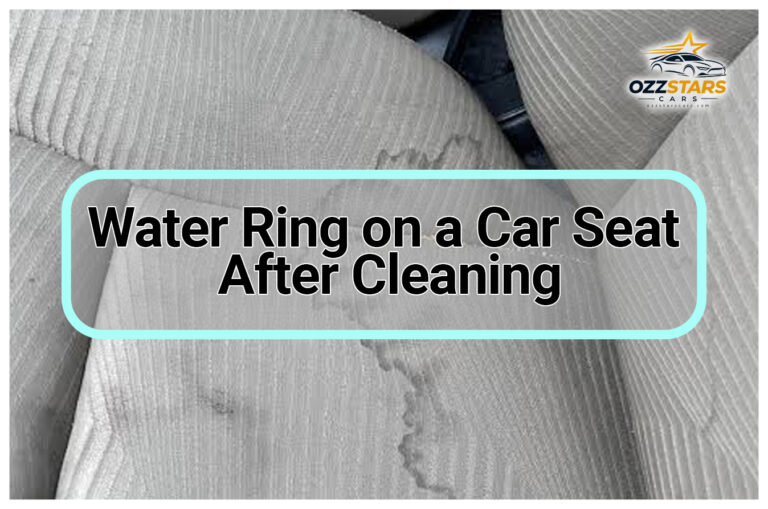
Why is there a ring around the spot I cleaned?
Usually too much liquid. The water spreads beyond the stain, and as it dries it carries dirt and residue to the edge of the wet area, leaving a ring.